

In today’s fast-evolving marketing landscape, brands face a critical choice in how they engage influencers to build authentic connections and drive impact: should they lean on athlete-influencers or traditional celebrities? Each category offers distinct advantages, but the rise of athlete-influencers sports personalities who blend on-field prowess with active, personal digital engagement is reshaping how brands measure and realize influence and impact. Understanding which delivers more brand value requires a deep dive into trust, engagement, relevance, and conversion.
Athlete-influencers are unique in that their influence stems from both athletic credibility and a genuine, often unfiltered connection with fans. Unlike traditional celebrities film stars, musicians, or entertainers whose appeal is built primarily on fame and glamorous personas, athlete-influencers offer audiences a window into hard work, discipline, and authentic lifestyles. Their social media presences often include training snippets, behind-the-scenes moments, personal struggles, and motivational content, humanizing them beyond their victories and medals. This transparency engenders trust that many modern consumers prize highly.
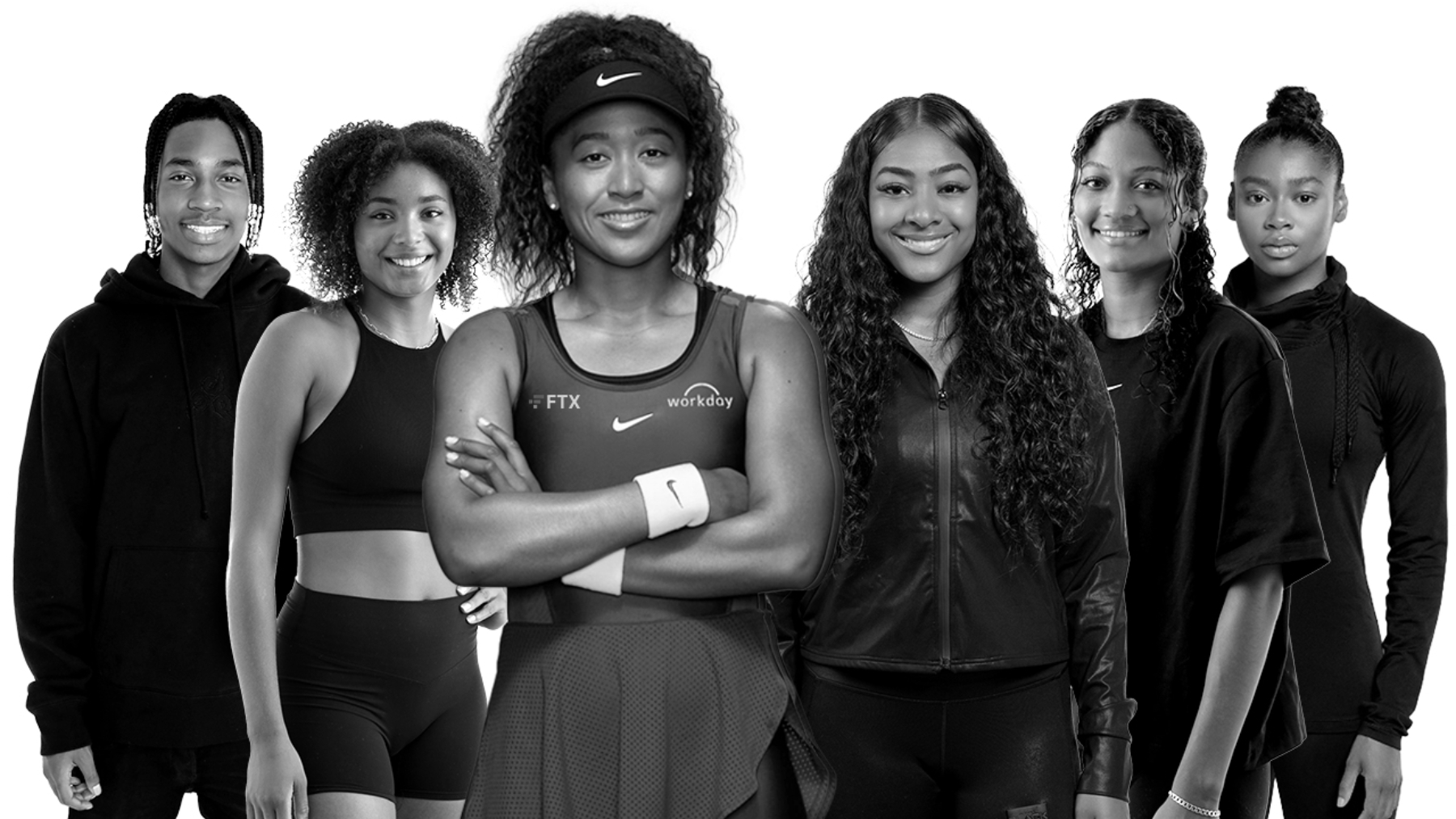

Authenticity builds trust and loyalty.
Trust is arguably the single most important factor in influencer marketing today. Surveys repeatedly show that consumers are more likely to value and act on recommendations from figures they perceive as authentic and relatable. Athlete-influencers, by sharing their real journeys and connecting emotionally through shared aspirations (such as fitness, health, and wellbeing), often generate higher trust levels than traditional celebrities, whose endorsements can sometimes feel scripted or detached from their real lives. This authenticity facilitates stronger brand affinity and loyalty.
Engagement metrics further illuminate the contrasting strengths. Athlete-influencers tend to cultivate tightly-knit communities united by shared passions for sport and lifestyle. Their followers actively participate through comments, challenges, Q&As, and user-generated content. These highly engaged communities create fertile grounds for brand messages to resonate deeply and multiply organically. While traditional celebrities might command larger follower counts, their audiences are often more passive, limiting the depth of engagement and challenge in sparking interactive conversations.

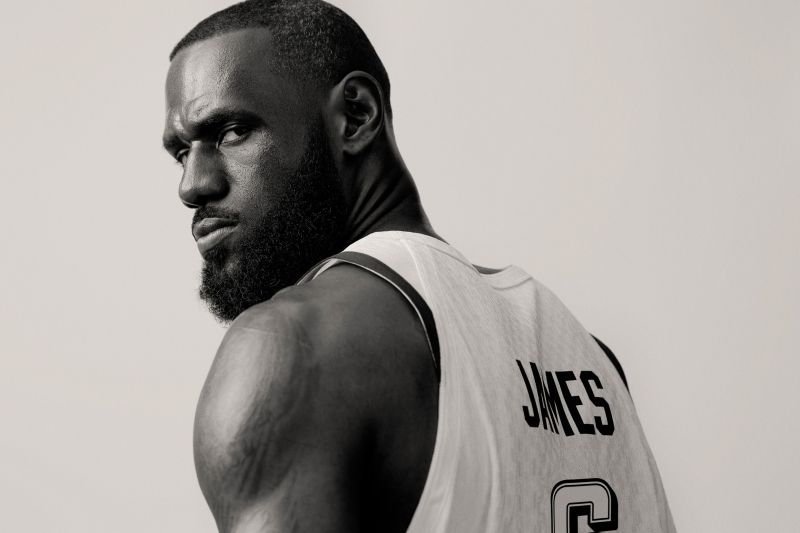
Relevance drives credibility in endorsements..
Relevance also influences impact. Athlete endorsements excel when there is natural category alignment; sportswear, fitness supplements, wellness products, and lifestyle brands benefit from athlete endorsements because fans see them as credible experts in related fields. Traditional celebrities may bring broad appeal but can face credibility gaps if the endorsed product does not align with their persona. Brands risk diluted messaging or consumer skepticism in such mismatched endorsements.
Return on Investment (ROI) considerations reveal another compelling dimension. Athlete-influencers often deliver stronger conversions when campaigns are well-targeted and category-relevant, enhancing marketing efficiency. Their followers aspire to emulate the athlete’s lifestyle, translating intent into purchases more reliably. Whereas traditional celebrity endorsements might rapidly broaden brand awareness, the link to purchase intent can be weaker, especially when the celebrity’s association with the product feels tenuous.
2025 © KraftHaus. All Rights Reserved.